







Search Results for: cold brew equipment

Coffee Equipment | What equipment is needed to make ice drip cold brew? How long can ice drip cold brew coffee be stored? Why does cold brew ice drip taste better after sitting overnight?
For more specialty coffee knowledge, please follow our WeChat public account: Front Street Coffee (FrontStreet Coffee). Recently, more and more friends have been making cold brew coffee, ice drip coffee, and other cold-brewed coffees at home. The ice drip coffee that Front Street prepares in advance is also in short supply. Many friends have also asked, [more…]
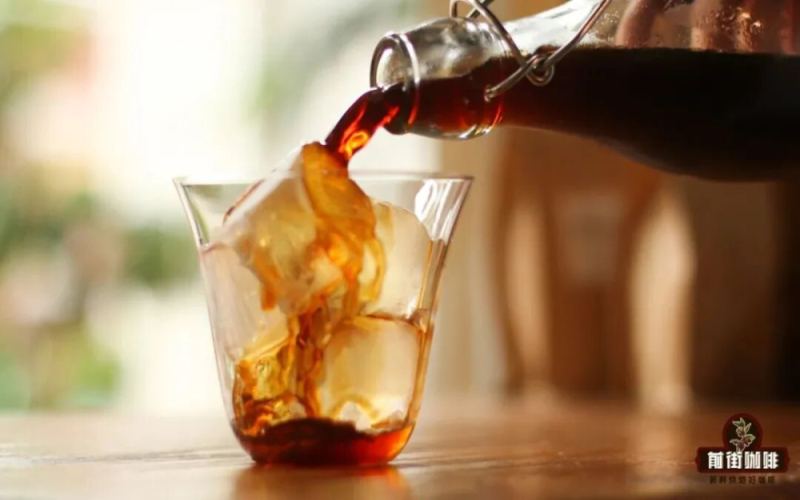
What Exactly Is the Difference Between Ice Drip and Cold Brew? A Clear Explanation from Equipment and Extraction Principles to Flavor Expression
When an iced Americano or iced latte can no longer satisfy your curiosity about coffee, cold drip and cold brew often come into view. Many people assume they are both low-temperature extracted iced coffees and that their methods should be roughly the same, but in reality, from equipment and process to the final flavor, the two are quite different. This article will sort through the essential differences between cold drip coffee and cold brew coffee one by one from the perspectives of brewing principles, required equipment, coffee bean selection, and post-extraction handling, and explain why cold drip is better suited for cafe service, while cold brew can be made at home by almost anyone. At the same time, it will also combine the actual performance of several Front Street Coffee beans to help you understand the unique qualities of low-temperature drip coffee. [more…]
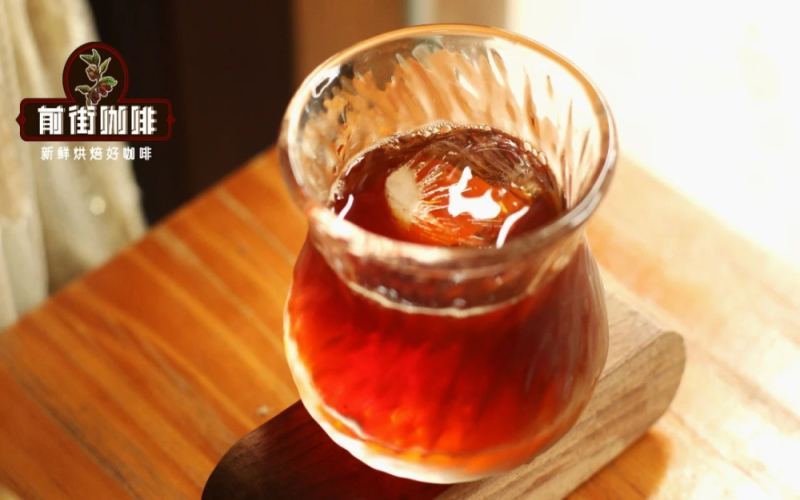
A Detailed Guide to Making Ice Drip Coffee and Cold Brew Coffee at Home: From Equipment Principles to Coffee-to-Water Ratios and Drinking Tips
On a scorching summer day, a glass of icy coffee is nothing short of a lifesaver. But what exactly is the difference between ice drip coffee and cold brew coffee? Can you make delicious iced coffee at home without professional equipment? Front Street Coffee will systematically walk you through the equipment setup and operating process of ice drip coffee, while also offering a cold brew coffee method that requires no complicated gear. From coffee dose and grind size to coffee-to-water ratio, from bean selection to refrigeration fermentation time, the article will also explain the principles behind low-temperature extraction and recommend two beans suitable for cold brew—Kenya and Red Cherry—helping you easily enjoy clear, sweet, and refreshing iced coffee during the dog days of summer. [more…]
How Is Cold Brew Coffee Different from Iced Americano and Iced Pour-Over? A Complete Brewing Guide from Equipment Principles to Grind and Flow Rate
Ice drip coffee often sells for a higher price than iced Americano and iced pour-over in cafés, sometimes even in smaller portions—what is the reason behind this? Although it and cold brew both belong to low-temperature extraction, their production logic is completely different. Starting from Front Street's hands-on experience, this article will break down the four key variables of ice drip coffee—the equipment structure, grind calibration, drip rate, and coffee-to-water ratio, as well as the aging time—and provide specific parameter recommendations for light-roast and medium-roast beans. Whether you want to understand why ice drip coffee is expensive or are planning to get an ice drip pot and try it at home, this article can provide a clear operational reference. [more…]

How is cold drip coffee made? A comprehensive comparison with cold brew in terms of extraction time, method, and flavor
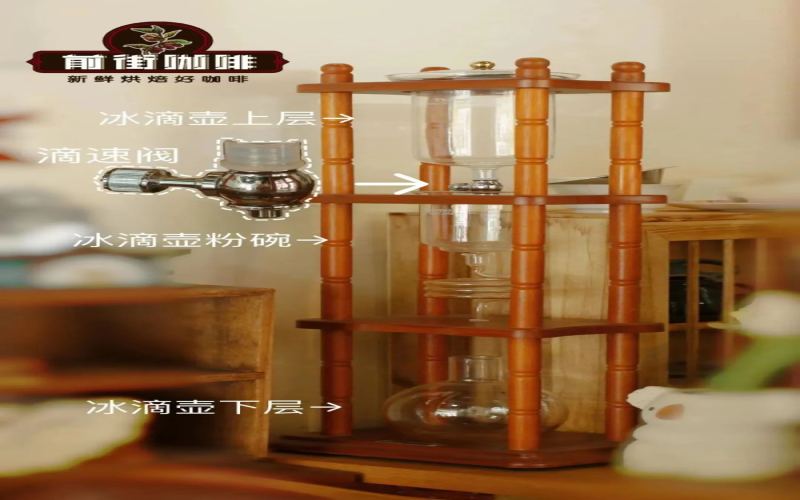
Although ice drip coffee and cold brew coffee both fall under the category of cold drinks, they follow two completely different paths from equipment structure to extraction logic to the final flavor in the cup. Ice drip relies on ice water slowly dripping through, taking anywhere from 3 to 24 hours, and Front Street Coffee generally recommends 5 to 8 hours; cold brew, on the other hand, obtains a chocolate-like sweetness and full-bodied mouthfeel through long soaking. The two each have their own set of rules regarding grind size, equipment choice, and brewing time, and their acidity and bitterness also differ noticeably. This article will break down the three-part structure of the ice drip pot, compare the production details of the two cold drinks, and explain the drinking methods and purchasing suggestions that suit each. [more…]
A Detailed Guide to Cold Brew Coffee Making: From Equipment Structure to Coffee Bean Selection, Master Cold Brew Techniques at Once
The ice drip pot has a unique shape, and its stacked layers often make people mistakenly think they have walked into a laboratory. Many customers who come to Front Street are curious about this set of equipment and want to replicate the store's signature ice drip at home. This article will systematically explain the structure and usage of the ice drip coffee pot, including key parameters such as grind size setting, coffee-to-water ratio, and valve flow rate control, and will share a production example using Costa Rica Mozart coffee beans from the Front Street store. In addition, the article also discusses the idea of choosing beans for ice drip coffee, offering specific coffee bean recommendations one by one according to four categories: tropical fruit fermented type, refreshing and clean type, sweet and mellow type, and flavor blend type, to help readers find the ice drip solution that best suits them. [more…]
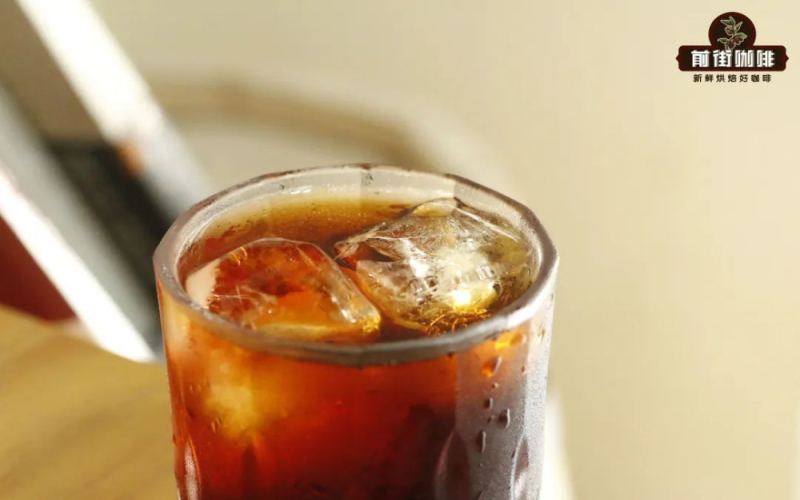
How to Make Cold Brew Coffee? A Complete Guide to Steps and Parameters from Equipment Preparation to Refrigerated Aging
In the previous article we talked about how to make cold brew coffee; this time let's raise the difficulty a bit and try our hand at making ice drip coffee. The ice drip process is more tedious than cold brew and takes more time and effort, but the cleanliness and layered complexity of the final cup are often worth the wait. The illustrated tutorial below starts with a list of equipment, then gradually explains the key details of the coffee-to-water-to-ice ratio, filter paper placement, pre-wetting the coffee grounds, setting the drip rate, and refrigerated maturation, and also includes bean recommendations suitable for ice drip. You can adjust flexibly according to your own equipment and taste preferences to make a pot of ice drip that is yours alone. [more…]

Home-made Cold Brew Coffee: A Complete Guide to Simple Equipment and DIY Methods
On a scorching summer day, a glass of cold brew coffee is a favorite for many coffee lovers. Traditional cold brew towers are not cheap, yet they are often used infrequently, so netizens have started to brainstorm and build all kinds of "DIY cold brew" contraptions using everyday items like filter cups, drip bags, and mineral water bottles. This article rounds up several of the most representative simple home cold brew setups: from stacking filter cups, to converting drip coffee bags, to combining moxibustion racks with plant-watering nozzles—each one showcases the creativity and dedication of coffee enthusiasts. Although these homemade devices are not as precise as professional cold brew towers, they make up for it with low cost, plenty of fun, and the joy of drinking iced coffee you extracted yourself. If you'd also like to try cold brew at home, you might as well take inspiration from these ideas and use the objects around you to start a low-temperature extraction experiment. [more…]

A Guide to Choosing Beans for Cold Brew Coffee: A Comprehensive Analysis from Equipment Usage to Four Flavor Profiles of Bean Lists
Cold brew coffee, through its low-temperature slow extraction method, presents a rich yet non-bitter unique taste, and has gained increasing favor among coffee enthusiasts in recent years. But exactly what beans should be used to make cold brew? And how should the equipment be operated correctly? Front Street Coffee, drawing on its store practice experience, starts with the four-part structure of the cold brew pot and shares in detail key parameters such as grind size, coffee-to-water ratio, and drip flow rate, and according to four major categories—tropical fruit fermented type, refreshing clean type, sweet and delicious type, and flavor blend type—recommends a list of coffee beans suitable for cold brew one by one, helping everyone find their own cup of refreshment in the hot summer. [more…]
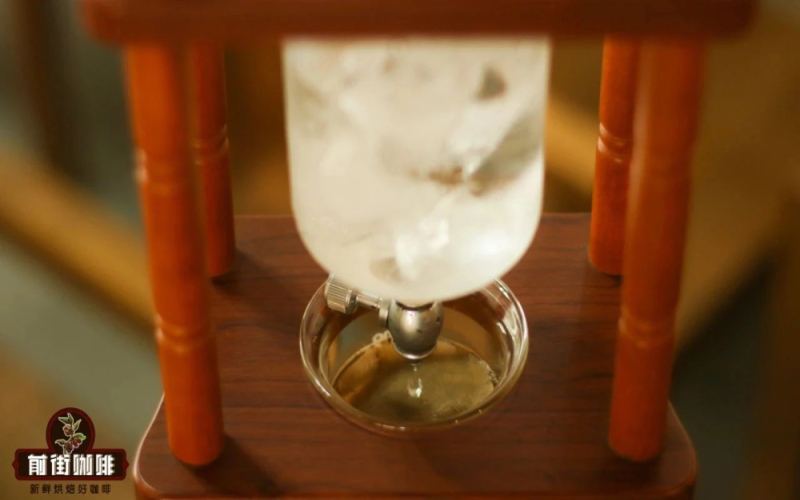
What coffee beans should you choose for cold brew coffee? How should the equipment be paired? Front Street explains the ins and outs of low-temperature extraction in detail.
Cold brew coffee has won the favor of many coffee enthusiasts with its smooth mouthfeel, clear layers, and clean, refreshing character. At Front Street Coffee, cold brew has always been a product with impressive sales performance—baristas make it fresh every day in summer, and in winter customers can also pre-order it in advance according to their preferred flavor. Its popularity stems partly from Front Street's insistence on using its own freshly roasted beans, and partly from the low-temperature extraction and subsequent oxidation steps that allow flavor molecules to be fully released. In this article, Front Street will walk you through the definition of cold brew coffee, its core characteristics, and which coffee beans are suitable for making it. [more…]
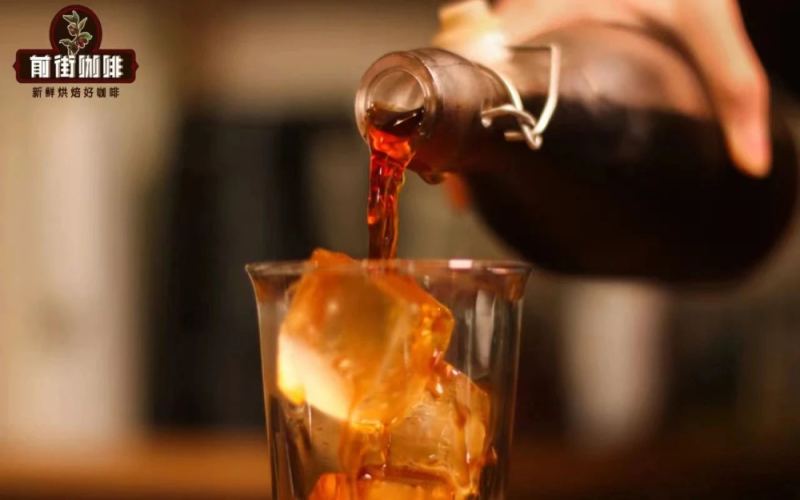
The Complete Guide to Making Cold Brew Coffee: From Equipment Operation to Bean Selection and Flavor Pairing
Cold brew coffee, with its unique low-temperature slow extraction method, delivers a rich yet non-bitter taste, making it a beloved beverage in summer. This article begins with the principles of cold brew coffee, then details the structure and usage of a cold brew tower, and uses Costa Rica Mozart coffee as an example to explain key parameters such as grind size, coffee-to-water ratio, and flow rate control. At the same time, the article also recommends coffee beans suitable for making cold brew, categorized by flavor type, including four directions: tropical fruit fermented winey notes, clean and crisp, sweet and pleasant, and flavor blends, helping coffee enthusiasts make suitable choices based on personal taste and equipment conditions. [more…]
Analysis of Cold Brew Coffee Extraction Principles and Flavor Characteristics, with Equipment Operation Steps and Usage Precautions
Cold brew coffee uses cold water at 5°C, slowly dripping through the coffee grounds over several hours of extraction, yielding a coffee liquid with rich aroma, a round and smooth mouthfeel, full body, and particularly outstanding flavor expression. Its greatest advantage is that it is neither sour nor astringent and does not irritate the stomach, which is thanks to the choice of dark-roasted coffee beans and the entire cold-water extraction process, avoiding the astringent substances released by hot water at high temperatures. This article will provide a complete introduction to the key points of making cold brew coffee, from the principles and characteristics, the use of equipment, precautions, to the specific production process of the Dutch-style drip brewer, helping coffee enthusiasts make the ultimate 100% original-flavor water-drip coffee at home. [more…]
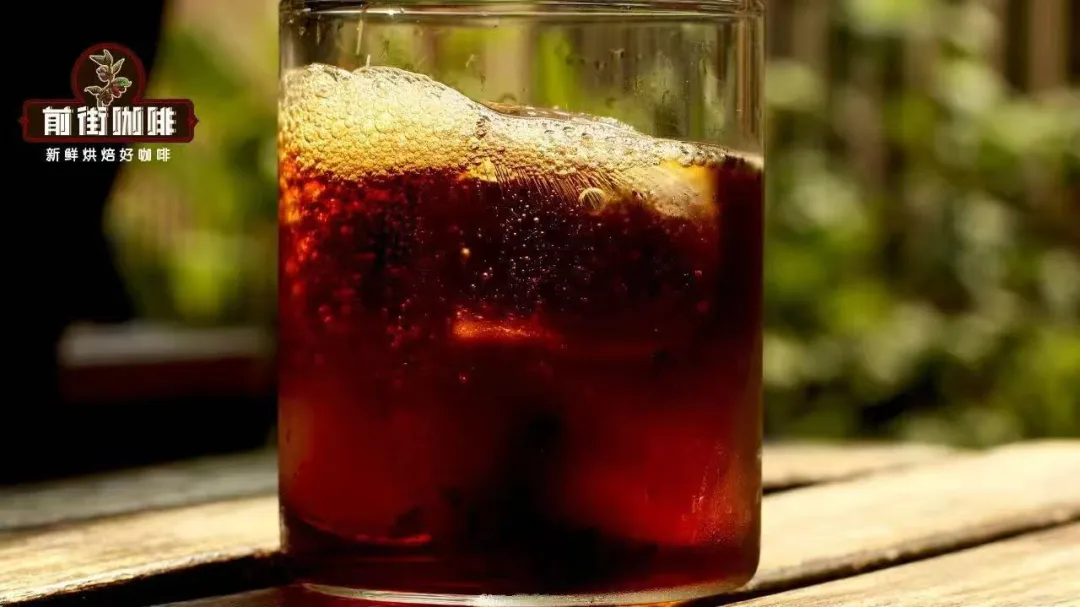
Cold Brew vs. Ice Drip Comparison | How to Tell Ice Drip Coffee from Cold Brew Coffee? What Coffee-to-Water Ratio and Grind Size Should You Use to Make Cold Brew at Home?
The distant cicadas are chirping nonstop, the dog days of summer have just begun, heat waves are rolling through the streets, and the tap water at home is running hot. A barista at Front Street Coffee had just opened the door when a friend walked in right after and asked if there was any cold brew coffee. To get through the hottest forty days of the year, without a cup of ice-cold coffee, it really [more…]
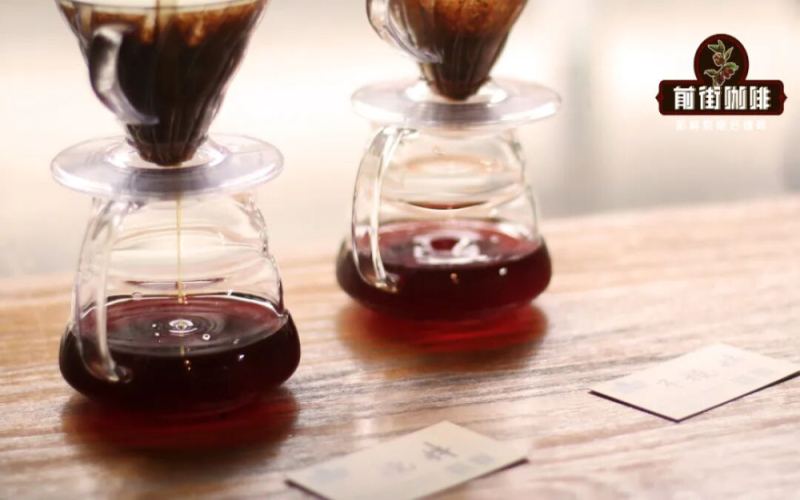
Where Do Cold Brew Coffee Oil and Fine Particle Residue Come From? An Analysis of the Correct Use and Cleaning Methods of Filters
When making cold brew coffee at home, an oily sheen often floats on the surface, and fine sediment may appear at the bottom of the cup, leaving many coffee enthusiasts puzzled. What exactly are these floating substances? Is the coffee spoiled, or is the equipment unclean? In fact, this is closely related to the slow release of water-soluble fats from coffee beans at low temperatures. This article, drawing on Front Street Coffee's practical experience, analyzes the causes of cold brew oils, explains how the differences in mesh sizes of various filtering devices affect coffee flavor, and shares how to use secondary filtration with paper filters and refrigeration settling to make cold brew's juicy feel fuller and its acidity clearer. At the same time, regular deep cleaning of equipment is equally crucial to avoid the accumulation of condensed oil residue that produces a rancid odor. [more…]
A Detailed Guide to the Production Process of Ice Drip and Cold Brew Coffee and a Comparison of Cold Brew Coffee Flavor Characteristics
On a hot summer day, a refreshing glass of cold brew coffee is undoubtedly an excellent choice to cool off and quench your thirst. This article will introduce in detail the preparation steps and methods for cold brew coffee, ice drip coffee, and cold steeped coffee, and provide an in-depth analysis of their characteristics and differences. The baristas at Front Street Coffee will share key parameters for ice drip coffee, including equipment components, coffee-to-water ratio, grind size, and extraction time, and will also teach you how to make cold steeped coffee at home using simple containers. In addition, the article will explore the flavor characteristics of cold brew coffee and how to choose suitable coffee beans, including Front Street's recommended Kenya Asalia and Honduras Sherry coffee beans, so you can easily enjoy a professional-grade iced coffee experience at home. [more…]
How to Choose Coffee Beans for Cold Brew: How Equipment, Parameters, and Bean Flavors Work Together
The same beans placed in different brewing devices will show noticeable changes in performance. Pour-over places more emphasis on aroma and clarity, espresso machines emphasize intensity and sweetness, while the moka pot requires balancing pressure, heat, and the coffee bed. Bean selection cannot be separated from the brewing device, and parameters must also be adjusted accordingly based on the beans' roast level. Cold brew or ice drip's low-temperature extraction will [more…]
How do you make cold brew coffee taste great? From coffee-to-water ratio to equipment, Front Street teaches you bean selection and brewing tips.
As the weather gradually warms up, iced coffee becomes a favorite for many, and cold brew, with its smooth taste brought by long low-temperature steeping, is winning over more and more coffee lovers. Starting from Front Street Coffee's actual practice, this article introduces the basic method of cold brew, the coffee-to-water ratio and extraction time, and shares the reason why cold brew made with soda water tends to be too concentrated, as well as the difference in taste after blending with fresh milk versus creamer. At the end, it also compiles eight specialty coffee beans suitable for making cold brew, covering producing regions such as Yirgacheffe, Huakui, Butterfly, and Huilan, for you to choose according to your flavor preference. [more…]
Where Does the Oil Film on Cold Brew Coffee Come From? A Full Breakdown of Low-Temperature Extraction Principles and Filtration Techniques
Cold brew coffee, with its advantages of simple operation and low cost, has become the go-to choice at home for many coffee enthusiasts. All you need is an airtight container and a low-temperature environment, and after several hours of steeping, you get a full-flavored iced coffee drink. However, many people discover during the process that a layer of oil often floats on the surface of the cold brew liquid, and can't help but wonder whether it has spoiled or the equipment is unclean. Where exactly does this layer of oil come from? And how should it be handled to achieve a clearer taste? This article will provide a detailed explanation of the extraction principles of cold brew, the phenomenon of oil condensation, the selection of filtration equipment, and ways to optimize the drinking experience, while also recommending several coffee beans suitable for making cold brew, helping you easily make a clean, translucent, and outstandingly flavorful cup of cold brew coffee at home. [more…]
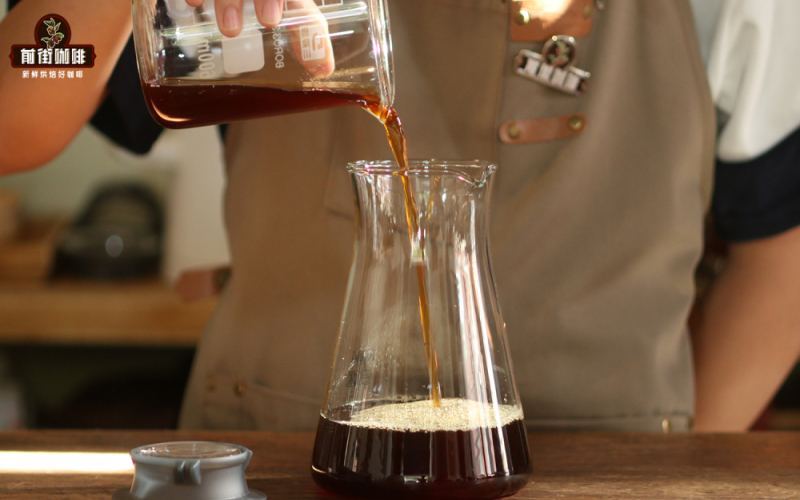
Cold Brew Coffee Bean Selection Guide: A Complete Analysis of Single-Origin Coffee Bean Flavor Pairings and Creative Recipes
In recent years, cold-drip and cold brew coffee made through low-temperature extraction have become increasingly favored by coffee enthusiasts, but which beans to choose, what equipment to use, how long it can be stored, and how to drink it creatively are all questions people care about. Based on Front Street Coffee's practical experience, this article provides a detailed overview of the extraction principles of iced coffee, equipment selection, single-origin bean recommendations suited to different flavors, the impact of chilled fermentation on taste, creative drinking methods such as adding dried flower petals, and safe refrigeration storage limits, helping you make a cup of outstanding iced coffee at home. [more…]
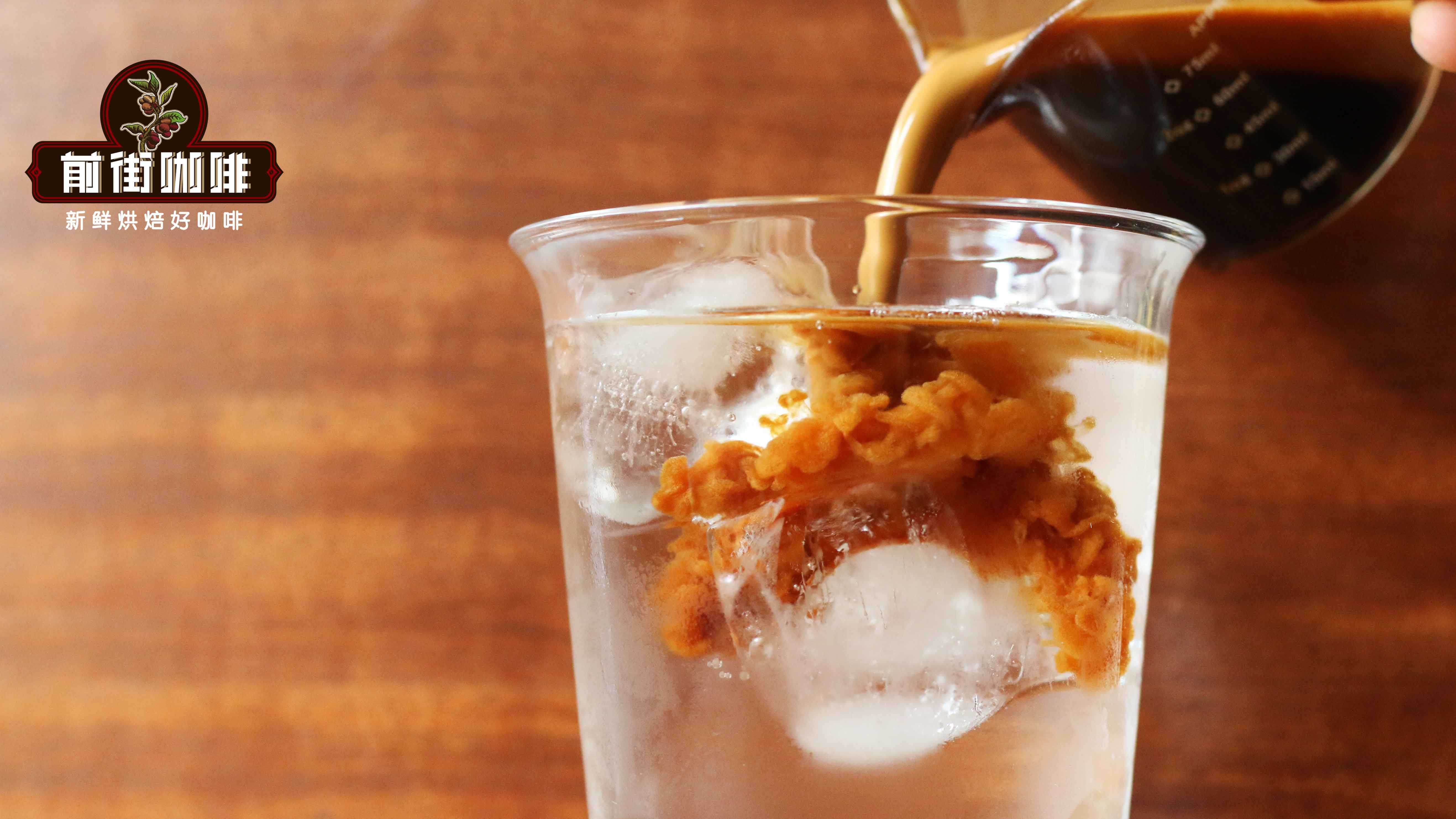
Cold Brew, Ice Drip, and Nitro Coffee Fully Explained: The Extraction Principles, Brewing Steps, and Flavor Differences of Four Iced Coffees
In the height of summer, a glass of iced coffee always brings a refreshing, invigorating coolness. Currently, the most common types of iced coffee are iced Americano, iced pour-over, cold brew, and iced drip, plus nitro cold brew, which is cold brew infused with nitrogen gas. These iced coffees each have their own merits in terms of extraction method, preparation time, equipment threshold, and the final flavor presentation. This article will analyze their differences and distinctive features one by one from the dimensions of extraction principles, detailed preparation steps, ease of operation, and taste characteristics, helping you find the cup of iced coffee that best suits your taste. Whether you prefer something light and crisp or are fond of a rich, fermented flavor, you can find the answer here. [more…]